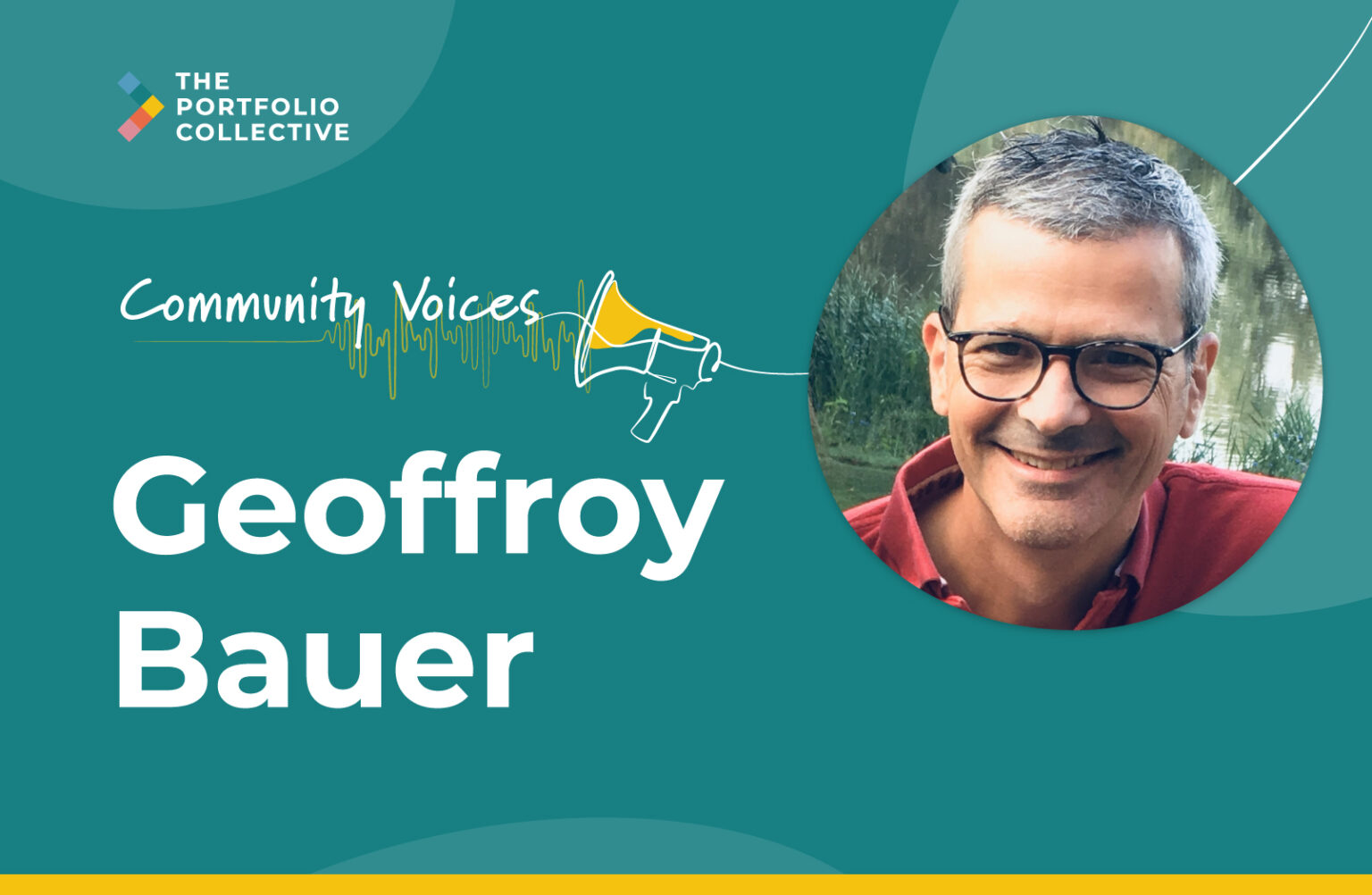

TPC Team
Geoffroy Bauer has always been driven by curiosity – a curiosity in people, in technology, in how things work. After spending a few years in consulting and banking, he took the leap into the world of startups, launching his first company just before the dot-com crash.
Since then, he’s built and scaled businesses, lived and worked across three countries and now he’s building a portfolio career as a fractional CEO, advisor and mentor.
For our latest Community Voices article we sat down with Geoffroy to find out more about his journey and the things he learned along the way.
Can you tell us a little bit about your background?
I grew up in Belgium, initially building a career in consulting and banking. But I got the opportunity to study at Stanford in the US in the late 90s – right when Google was first starting and Netscape had launched the first internet browser. Lots of tech companies were popping up and there was a lot of entrepreneurial momentum, so it was a great place to be.
Back in Belgium, in 2000, a couple of friends and I launched a company. It didn’t end up being what we originally set out to do – we started just before the dot-com bubble burst, and our target customers were people involved in the boom. Things went south quickly, but we managed to pivot and build an early B2B SaaS startup that was acquired by one of its early investors. That was my first startup experience.
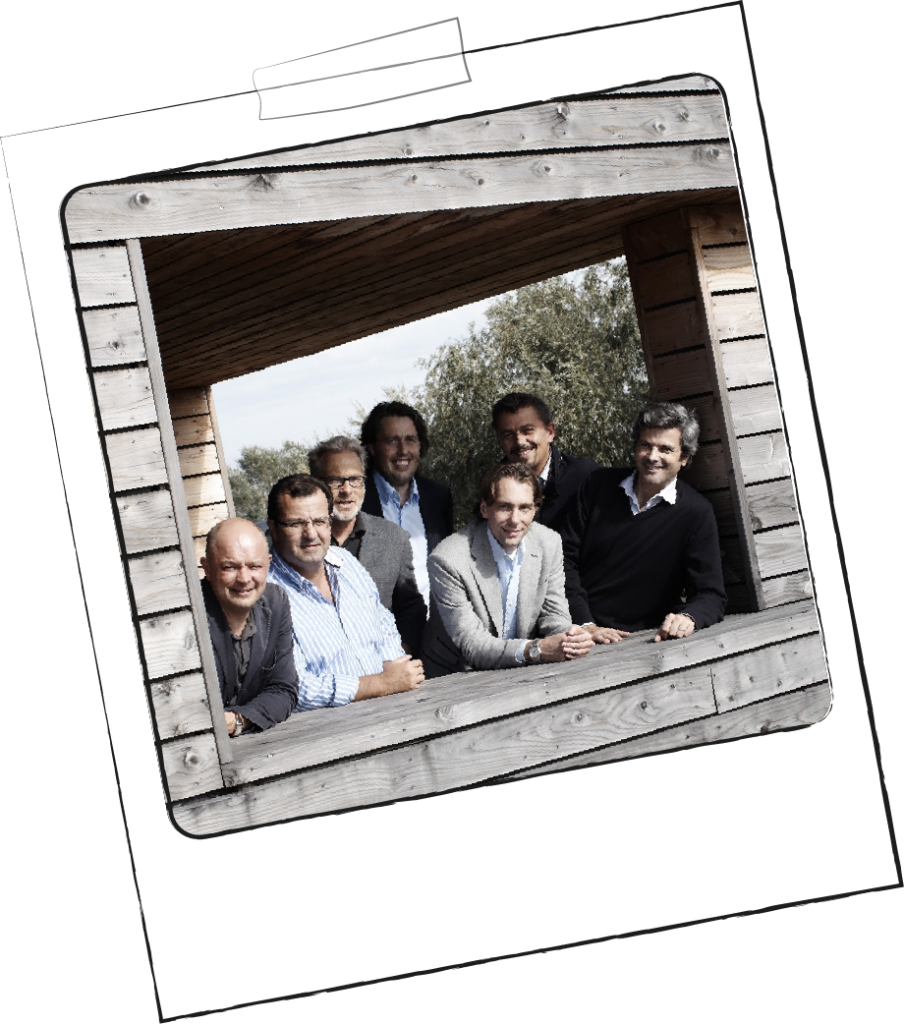
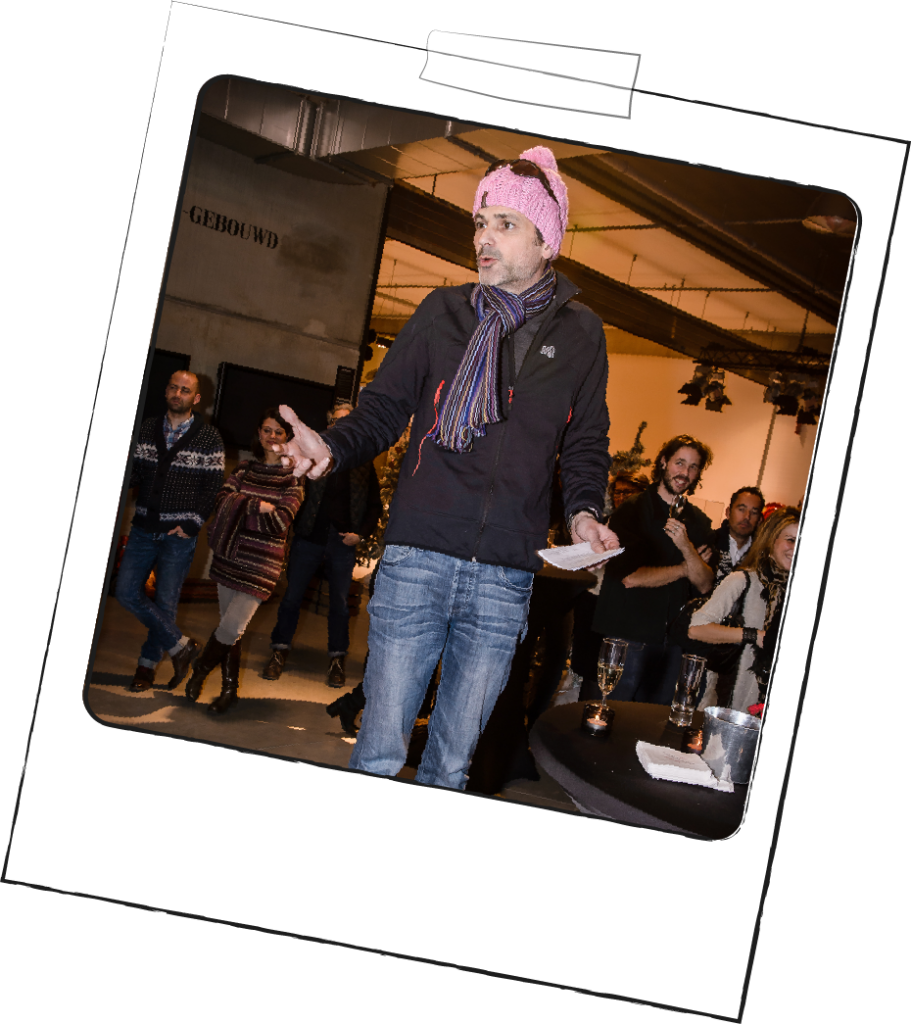
After that, I joined a couple of entrepreneurs to open the online version of a retail business. It was a completely different experience – we had fast internet, smartphones were starting to come in and things took off right away. It became quite a significant operation, and we eventually sold it to a competitor.
In 2017, my wife had an offer to work in the US, so I followed her and shifted to a role where I wasn’t the founder, but was helping startups in different capacities. Then we moved to the UK in 2019. In the last few years, I’ve mostly been working as an operations lead or COO – the counterpart and partner to visionary CEOs.
Now, I’m mentoring a couple of people in different startups and am involved in a few advisory roles. Mostly, I’m connecting with people and exploring work in climate tech and energy transition because it’s something I’m passionate about.
Where does that passion for climate tech and energy transition come from?
It’s been there for a long time. I’ve experimented with technologies like electric cars, solar panels and different ways of measuring our carbon footprint. Back when I was running the retail business, we built a large store that won a Europe-wide award for having one of the lowest carbon footprints. It had natural ventilation, solar panels, a green roof, rainwater reuse systems – even bees and sheep grazing on the roof. We really tried to integrate both cutting-edge and traditional technologies in a thoughtful way.
So it’s a topic I care about deeply, and I’ve explored it personally as well as professionally.

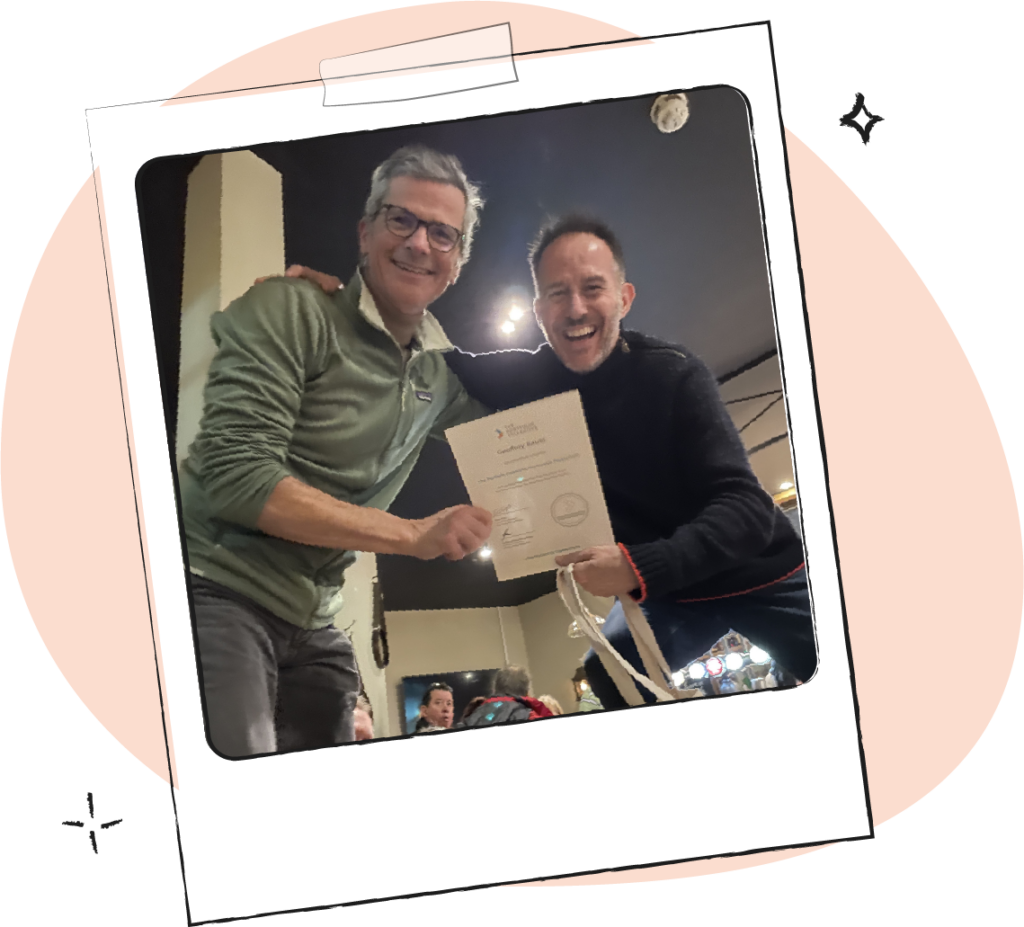
You’re the first-ever person to do both our Catapult course and Mentorship Programme at the same time. What was that like?
It was great – I really enjoyed it. Initially, I thought it might be a bit redundant, but they’re actually very complementary programmes. Each had a totally different group of people, and that’s a big part of the value – learning from others and the connections you make.
There’s some overlap in content, but it’s quite limited and each programme tackles it from a different angle and purpose. I had a bit of time and wanted to learn fast, and it was very doable. I wouldn’t say doing one makes the other unnecessary. Both are valuable if you want to build a strong foundation for your portfolio career and mentoring practice.
Why do you think others should invest time in developing themselves?
The world of work is changing. Gone are the days of a job for life. Work is becoming more dynamic and cross-functional. Continuous learning is essential. I’ve always been curious, sometimes to a fault, dabbling in too many things. But I’ve also made the mistake of getting so caught up in leading and building businesses that I neglected personal development. That was a mistake. Carving out regular time to learn – even small increments each year – makes a big difference, whether it’s deepening expertise or developing soft skills.
We live in a time where learning is more accessible than ever – great books, podcasts, online courses. There’s really no excuse not to engage with it.

And of course, in the last couple of years, there’s been an acceleration in everything AI-related. That’s going to have a huge impact. It’s critical to become an active user of AI, understand how it works and explore its implications in your area of work. It’s also a great learning tool! There’s going to be a growing gap between people who embrace it and those who don’t.
Have you done much learning around AI?
I’ve done a few online courses, participated in reflection groups and worked in companies using early AI technologies. It’s a vast field. Some parts are highly technical, but others – like chatbots – are very approachable. It’s worth digging into both.
There are two dimensions I think people should focus on: building deep expertise in one or more areas, and also developing the breadth to collaborate across functions. Whether it’s finance, marketing, HR – having at least a working knowledge of other domains is incredibly useful. Of course, expertise evolves too. You don’t want to become an expert in something easily replaced by AI, but even there, you can adapt by learning how to work with AI in that space.
Is there anything else you'd like to try that’s not part of your portfolio career?
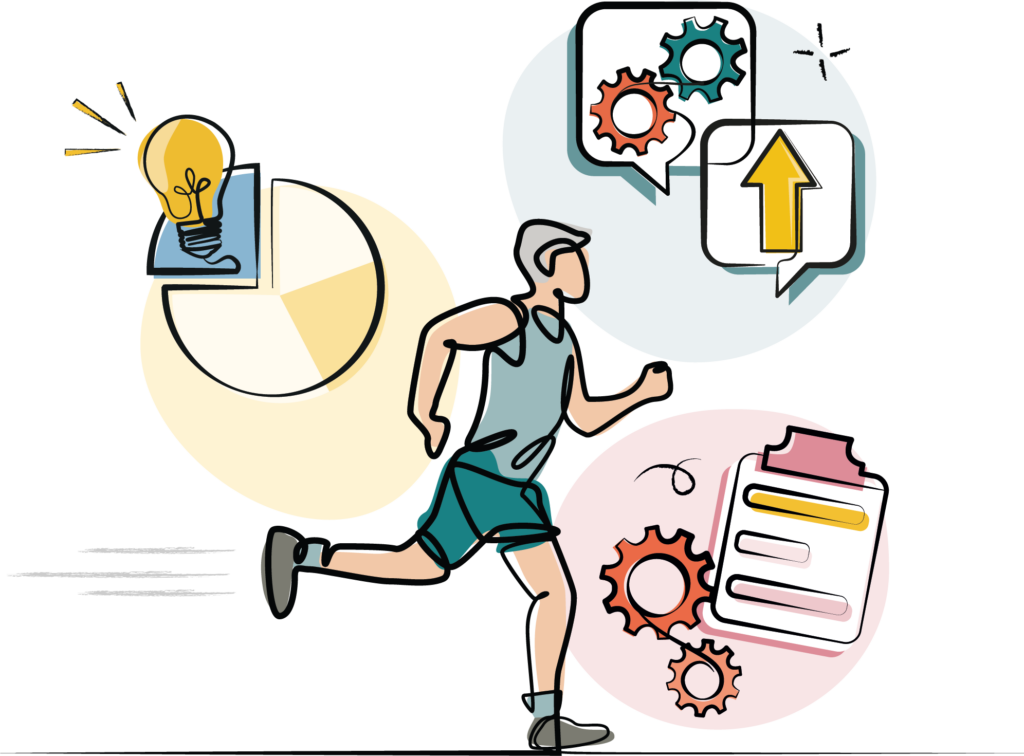
I’ve been increasing my running over the past few years. I did my first marathon and I’m training for a second. What I’d really like to try – though it’s a big time commitment – is an ultramarathon. They’re often multi-day races in hilly or mountainous terrain. You don’t typically run the whole distance; it’s a mix of running and walking, especially on steep climbs.
Professionally, my current focus is fractional COO roles, mentoring, advisory work and project management. I’ve also sat on boards before, and I’d like to return to that in the future – although probably later down the line, as I really enjoy the hands-on operational side of businesses.
Eventually, I’d like to work more with a nonprofit. That feels like a natural transition point later in a career. Right now, I’m involved in a few things as a volunteer. For example, I’m going to Ukraine soon as part of a convoy delivering an ambulance and supplies through a nonprofit based in Belgium. My wife did something similar recently with a UK-based nonprofit. It’s incredibly tangible and meaningful.
Back during COVID, I helped launch an app in Belgium similar to the one in the UK for tracking self-reported data on the virus. So I’ve been involved in a few initiatives like that, and I’d like to do more down the line.
And finally, do you have any advice for someone thinking of starting a portfolio career?
Start by curating your network. Build and maintain relationships, both close and loose. That’s going to be key when you transition, and being someone known for helping others goes a long way.
Second, develop expertise. Have a couple of areas you’re known for. That’ll help you fill your early pipeline even if you eventually branch out.
Also, get a basic understanding of what you’ll need to manage: finances, legal, operations. You can learn that along the way, but having some prep helps.
And finally, make sure you’re comfortable with a certain level of uncertainty. A portfolio career comes with more variability – financially and otherwise. But on the flip side, it offers incredible freedom. You’re calling the shots. If you can embrace that, the freedom can outweigh the uncertainty, but it’s important to be realistic going in.
Geoffroy’s story is a powerful reminder of the possibilities that open up when you follow your curiosity and stay open to change.
Want to connect with other inspiring professionals like Geoffroy? Head over to the Collective Hub to start building meaningful connections, or join one of our upcoming Community Networking sessions and meet other members shaping the future of work. You never know where it might lead you!
Think this sounds like the right path for you? Come along to our monthly Community Welcome Call for new members to find out what a portfolio career could look like and how The Portfolio Collective can help you take those first steps towards professional success – and don’t forget to connect with our community!