

Dayle Rodriguez
Business development. For some, just hearing the words is enough to trigger a wince. Sales gets a bad rep because many of us have experienced bad sales! You know the type, the pushy in your face lack of empathy kind of pitch slap you might receive in a LinkedIn DM. No thanks!
But here’s the reality – whether you’re at the start of your portfolio career or an established portfolio professional, selling is part of the journey. In fact, you might have more experience than you think.
Have you ever been on a first date? That’s sales (plus a dash of marketing, depending on who you ask). Convinced a child to eat a certain food? That’s sales. Persuaded a colleague or client to back a new idea? Also sales.
Like any other skill, the ability to build a network that leads to the right opportunities can be learned, refined and made your own.
The best salespeople aren’t always extroverts (or even the most charismatic) – they’re the ones who listen well, follow up consistently and genuinely want to help.
Why what happens after networking matters
Imagine this: you’ve just left a networking event. Your pockets are full of business cards (yes some people still use paper) and your LinkedIn inbox is lighting up. What do you do now?
The real magic happens when those initial conversations evolve into meaningful collaborations, referrals or new clients. So how do you follow up without sounding pushy or transactional?
Networking is more than just showing up. It’s about building relationships. Whether you’re a consultant, freelancer, mentor or founder, your ability to nurture relationships post-event can directly impact your pipeline.

People don’t like being sold to, but they love being heard. And the real secret to building a network that turns into opportunities? The connections people remember are the ones who are the most helpful.
Ready to turn your new connections into valuable opportunities? There’s an art to nurturing your network, and it’s easier to master than you think.
Five ways to follow up without being salesy
1. Track every interaction (yes, you need a CRM)

‘If it’s not measured, it’s not managed.’ You’ve probably heard this before – and when it comes to relationship-building, it holds true.
So keep track of who you spoke to, when and what you discussed. This doesn’t need to be fancy – a spreadsheet, basic CRM tool or even notes in your phone will do. The key is being able to pick up the conversation without starting from scratch.
💡 TOP TIP
Did you know TPC Pioneer members get $25 off their first year subscription with Dex, a relationship CRM that helps you make the most of your network?
2. Lead with value (no pitch slaps, please)

Your first follow-up message should rarely be a sales pitch. Instead, reference something you spoke about, share a relevant article or introduce them to someone in your network. This shows you’re a thoughtful connector and expert, not someone with an agenda.
In their book Influence with Authority, Allan Cohen and David Bradford emphasise that people often undervalue the resources they possess. It’s not just about the skills someone can pay you for – it’s about things like gratitude and connection. Who else can you introduce your new contact to? And what can you do to be remembered as a helpful person?
This approach builds trust and keeps the conversation going without pressure. Plus, it makes you memorable for all the right reasons.
3. Demonstrate that you’ve done your research (and are genuinely interested in what they do)

If there’s someone you really want to connect with, take the time to understand their industry and the work they’re doing. That way, you can continue the conversation with genuine and informed insights. For example, if you choose to share an article with them, make sure you’re sharing something that is actually relevant to what they do (and that they’ll want to read!)
Here’s an example message you can send: ‘It was great chatting about your work in FinTech. I came across this article on AI in Anti Money Laundering and thought of you -– hope it’s useful!’
Not only does this demonstrate that you paid attention, but it shows that you’re invested in their interests. And that goes a long way for building a meaningful relationship.
4. Personalise your outreach (and type how you talk)

Generic follow-ups are easy to spot – and easier to ignore. So take a moment to personalise your message. Mention something you have in common, reference something you laughed about when you first met or follow through with anything you said you’d send (a link, a deck, a contact).
Authenticity beats perfection, so do it in your own voice and vernacular – you’d be amazed how quickly sounding like a chatbot kills the momentum. In a world of ChatGPT and Copilot, make sure your words sound like you and don’t be afraid to connect over the non-business stuff. If you chatted about personal things like music taste or holidays, then keep the convo going that way!
5. Create a genuine reason to reconnect

If the initial conversation went well, suggest a low-pressure next step. This could be a virtual coffee, a free resource or an invite to an event you’re attending. The goal is to keep the momentum going without jumping straight to ‘work with me, buy my stuff/services.’ This will keep the door open for future collaboration and position you as someone helpful.
And don’t forget about those older relationships that have gone a bit quiet! TPC’s COO and Co-founder, Fiona, has a great trick for keeping conversations warm. Every few months, she scrolls to the bottom of her WhatsApp messages and reaches out to people she hasn’t chatted with in a while. Nothing pushy, just a ‘Hey, it’s been a minute! How are you?’ And that’s a great way to get conversations going again.
The ultimate takeaway from this? Sales is just a series of conversations done well
You might have heard that it takes between six to eight touchpoints to close a sale. Whilst the number of touchpoints can be debated, what is truly immutable is that the quality of the touchpoints counts more than the quantity.
Networking isn’t about closing deals, it’s about opening doors. When you lead with value, personalisation and authentic connection, you’ll build a network that not only remembers you, but wants to work with you. And that’s a powerful thing to have.
Keen to grow your network even further?
Come along to TPC’s monthly Community Networking or start a conversation on the Collective Hub. You never know who you might meet!
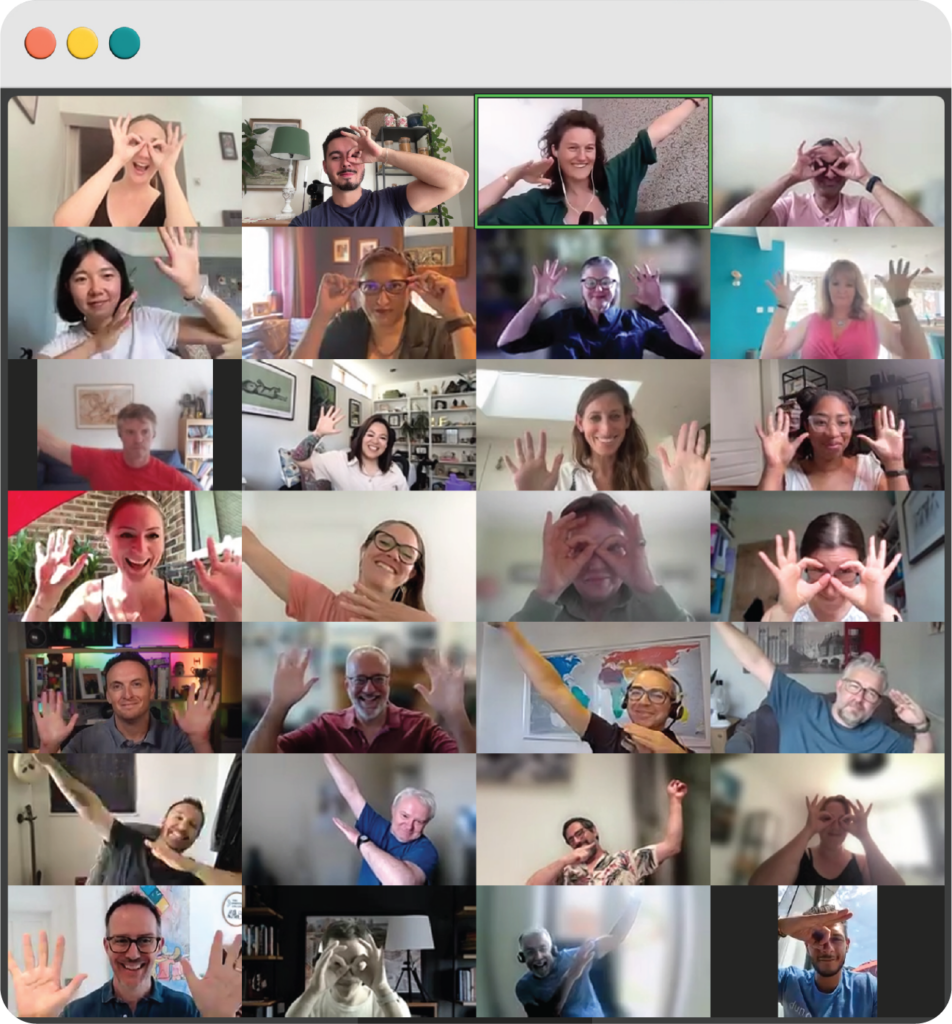
Think this sounds like the right path for you? Come along to our monthly Community Welcome Call for new members to find out what a portfolio career could look like and how The Portfolio Collective can help you take those first steps towards professional success – and don’t forget to connect with our community!