
TPC Team
After a 30-year career in HR and training in the public and charity sectors, Liz King took a leap of faith and stepped into the world of entrepreneurship. What began as a bold move to support her son’s dream of running a pub quickly evolved into a full-blown portfolio career that spans HR consultancy, business mentoring, coaching and more.
Now, through her ventures like Catalyst Coaches and Pub Doctors, she helps others navigate the ups and downs of running businesses, all while continuing to learn, give back and champion community-focused work.
We sat down with Liz to learn about her journey into the exciting world of portfolio work and see if she had a few words of wisdom to share with anyone looking to do the same.
Can you tell us a little bit about your background?
I spent the first 30 years of my career in HR – mostly in the public sector, with a focus on training. In 1999, I moved from Manchester to Hampshire for a job with the council. That was a big step for me. I was a single parent with three children, and it was scary. But I settled in and eventually got a role running the police training college, which I absolutely loved.
From there, I moved into the NHS – which was a bit of a culture shock – and then into a Director of HR role for a charity. That role was the pinnacle of my career at the time. It was a brilliant organisation working with people from all backgrounds: those with disabilities, mental health issues and ex-offenders.
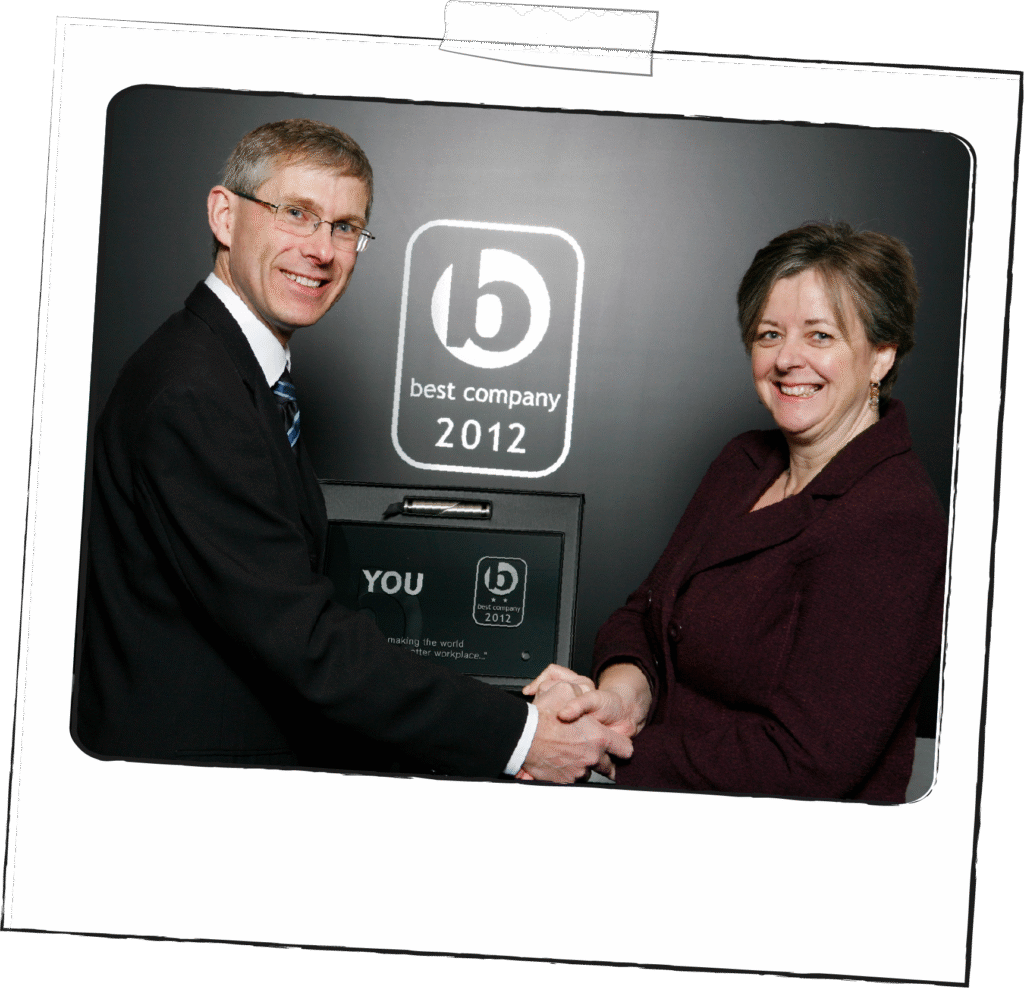
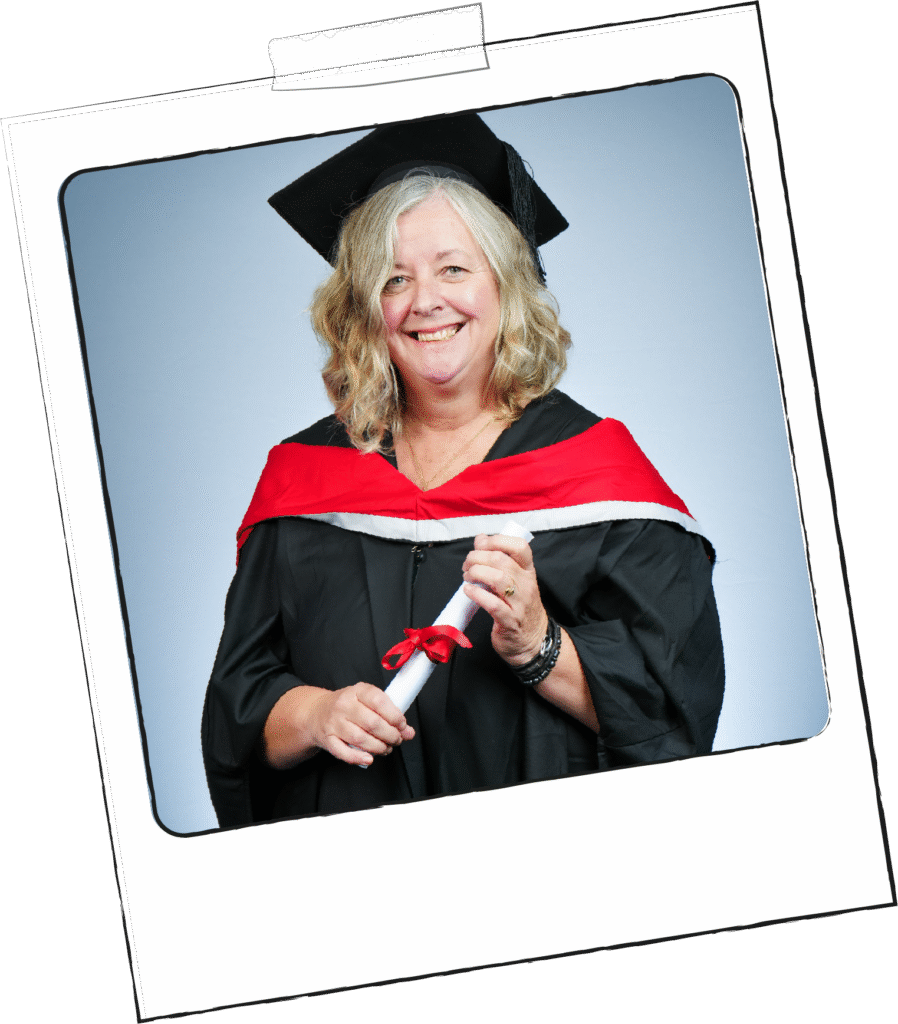
It was a proud moment when we were recognised in The Sunday Times three years running as one of the best companies to work for. We also earned IIP Champion and Gold status. But after seven years, I started to feel the itch. I wanted to try working for myself.
We’d love to hear what that transition was like.
I initially asked to go part time at the charity, but they didn’t go for it – not even four days a week. Around that time, my son was working for a large restaurant chain, and he was interested in running a pub of his own. My partner had spent many years working in print, and also wanted a change. So, the idea was: we’d buy a pub, they’d run it, I’d be a silent partner and I’d set up an HR consultancy.
It was a huge decision, leaving a well-paid, stable job, and we moved into the pub. Living there wasn’t as glamorous as it sounds! You’re constantly on call, people knock on your door while you’re trying to relax – it’s nonstop.

I managed to procure some HR consultancy and coaching alongside this, but the majority of my time went into running the pub. Eventually, we opened a second, third and fourth pub around Wiltshire and Salisbury, near Stonehenge. We secured coach contracts for tourists and offered meals before or after their visits. It was hectic. We also had letting rooms, and at the time, Salisbury was short on accommodation. We grew so fast, and when we started I didn’t really know how to run a pub beyond pulling the odd pint. It really was a baptism of fire.
Did you see much overlap between the worlds of hospitality and HR?
The experience taught me so much, not just about business, but about HR. When you’re in a big organisation, issuing policies, you don’t always grasp the pressure managers are under. Running a business gave me a totally different perspective. I became more risk-aware and operationally-savvy. Firing someone you live with because they stole from you? That’s something I’d never experienced before. It wasn’t like the tribunal cases I’d dealt with in the care sector. It felt far more personal.
Staffing in hospitality is incredibly difficult. People leave at a moment’s notice, even on a fully booked Mother’s Day! It was exhausting. After seven years, I was burnt out and ready to let my son take over. We passed the pub business back to him, and I stepped back into HR.
How did the return to HR go?
After a short break (I lasted six weeks before I got bored), I re-entered the charity sector. But going back into employment after working for yourself is tough. I wanted to do something more entrepreneurial and flexible, so I decided to take my pension early, go part-time and start my own business. That’s how Catalyst Coaches was born – a blend of business coaching, mentoring and HR consultancy.
Having run my own business, I knew how hard it can be. I always said that if I’d had a mentor during my business ownership time, I probably could have saved myself a lot of time and money. Which is what inspired me to pursue mentoring as part of my portfolio career.
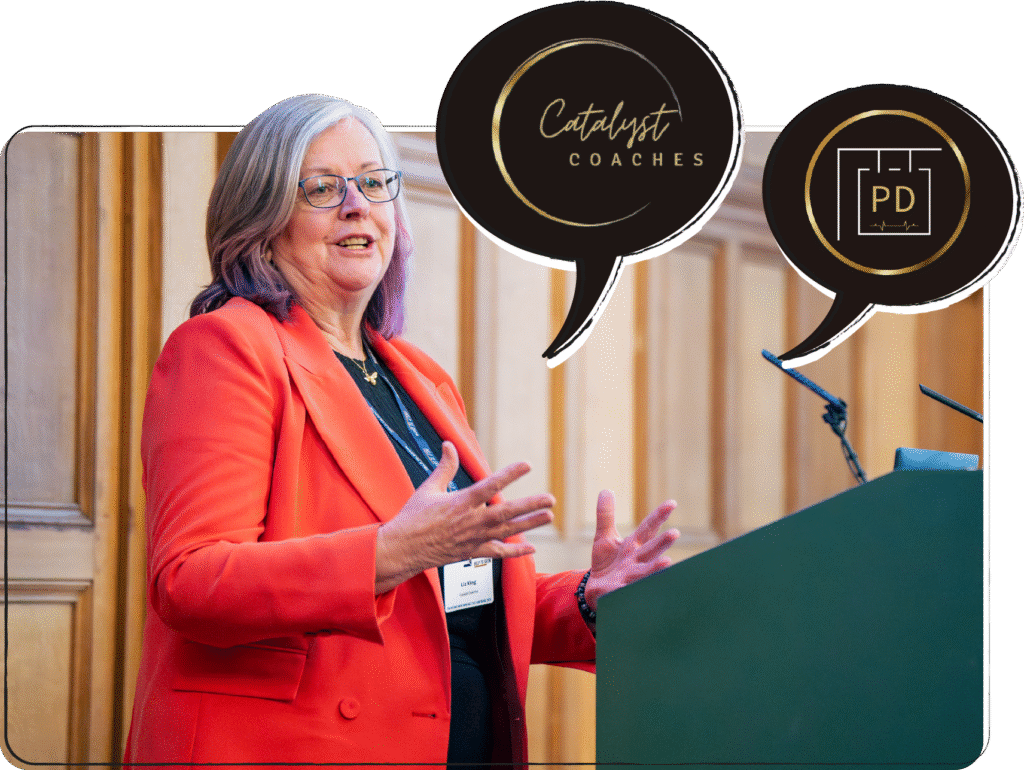
I wanted to focus on hospitality, which is where the idea for Pub Doctors came in. I was driving along one day and the name just popped into my head. I decided to hone in on coaching and mentoring for pubs and hospitality businesses, helping them become more efficient, compliant and community-focused.
You’re doing quite a bit with your mentoring skills - can you tell us more about that?
One of the things I’m proudest of is my work with the Help to Grow programme. I volunteer as a business mentor through the Association of Business Mentors (ABM), supporting SMEs across all sectors. I’ve mentored everything from breweries to marketing agencies. It’s rewarding to help business owners step back and reflect, and I’ve learned a lot myself.
That connection to ABM also led me to a new role working for them. I now work three days a week setting up and running their new ILM accredited National Training Centre. It is a virtual role, a great organisation and the flexibility is brilliant. It gives me a stable income while leaving time for my own work. I’ve also been working as an associate with TCM Group, and working on a Displaced Migrant Worker scheme with the Hampshire Care Association/SESCA. That variety is what I love about having a portfolio career – there’s always something new to learn.
It sounds like you’re managing a lot at once! How do you keep on top of that?
I won’t lie, sometimes it feels like there aren’t enough hours in the day. I’ve had to cut back on some of the voluntary work I used to do and be more selective with how many mentees I take on. But most of what I do is home-based, which helps.
Compartmentalising is key. I’ve learned to prioritise and let go of perfectionism. I don’t need to post on LinkedIn three times a week anymore. Once is fine. I also find being really clear with clients on deadlines helps manage expectations and enables me to prioritise where I spend my time.
I’ve got eight grandchildren, a dog and a partner that I want to dedicate time to, so I need to be organised.
A big concern for many of our members is keeping their pipeline of work well stocked. How do you go about generating opportunities?
I try to post on LinkedIn weekly, but only when I have something to say. The best posts are often the most personal. People want authenticity. Some of my best opportunities have come through LinkedIn, from long-term contracts to referrals from people I hadn’t seen since 2009. Just being visible and showing up can make all the difference.
Local networking has also been powerful. I’ve met incredibly supportive women who’ve introduced me to opportunities, invited me on radio shows or simply offered encouragement. There’s one group I go to that focuses on supporting local communities. It’s not just about business, it’s about being a force for good. That really resonates with me.
Connection in community is absolutely key to what we do here at TPC - how have you found using the platform as you build your portfolio career?
TPC has been brilliant. It’s like LinkedIn brought to life, but friendlier. You meet people at all different stages of their careers, and everyone’s willing to support each other. Whether it’s someone just launching a business or a seasoned venture capitalist, the mix is really exciting.
While I haven’t engaged with everything the platform has to offer, I’ve loved the networking and the introductions and conversations that have come out of that. People have connected me to collaborators, and I’ve even connected people from the community to do work with friends and family. It’s that sort of open willingness to help that makes it special.

And what’s next for your portfolio career?
There are still things I want to do. I’d like to train as a mediator and become a coaching supervisor. And one day, I’d love to write a book – maybe a tongue-in-cheek guide called How Not to Run a Pub! I wrote a series of blogs once called Reflections of a Reluctant Landlady full of real stories like the ghost that scared off a guest, or the contractors who stayed two weeks and never paid. There’s a lot people don’t realise about running a pub, and those lessons could really help others.
Do you have any advice for other aspiring portfolio professionals?
If you’re thinking of starting a portfolio career, go for it, but be realistic. There will be peaks and troughs. I had six very quiet months before everything happened at once. Be prepared for that. It’s okay to get a part-time job while you’re building things. Just keep the faith.
One book that really helped me is Worthy by Nancy Levin. It’s about valuing your own worth, especially when it comes to pricing your services. I realised that undervaluing myself was linked to old beliefs about money and self-worth. But when you charge what you’re worth, people take you more seriously.
So, be bold. Trust yourself. Keep going. And remember, just because you’re not earning yet, doesn’t mean you’re not working.
Liz’s story is a powerful reminder that it’s never too late to pivot, diversify and rediscover what lights you up.
If you’re feeling inspired by her journey, why not join our next Community Networking to meet other members carving out unique paths? You can also connect with brilliant professionals like Liz in the Collective Hub – your space to ask questions, share stories and build meaningful collaborations.
Think this sounds like the right path for you? Come along to our monthly Community Welcome Call for new members to find out what a portfolio career could look like and how The Portfolio Collective can help you take those first steps towards professional success – and don’t forget to connect with our community!